
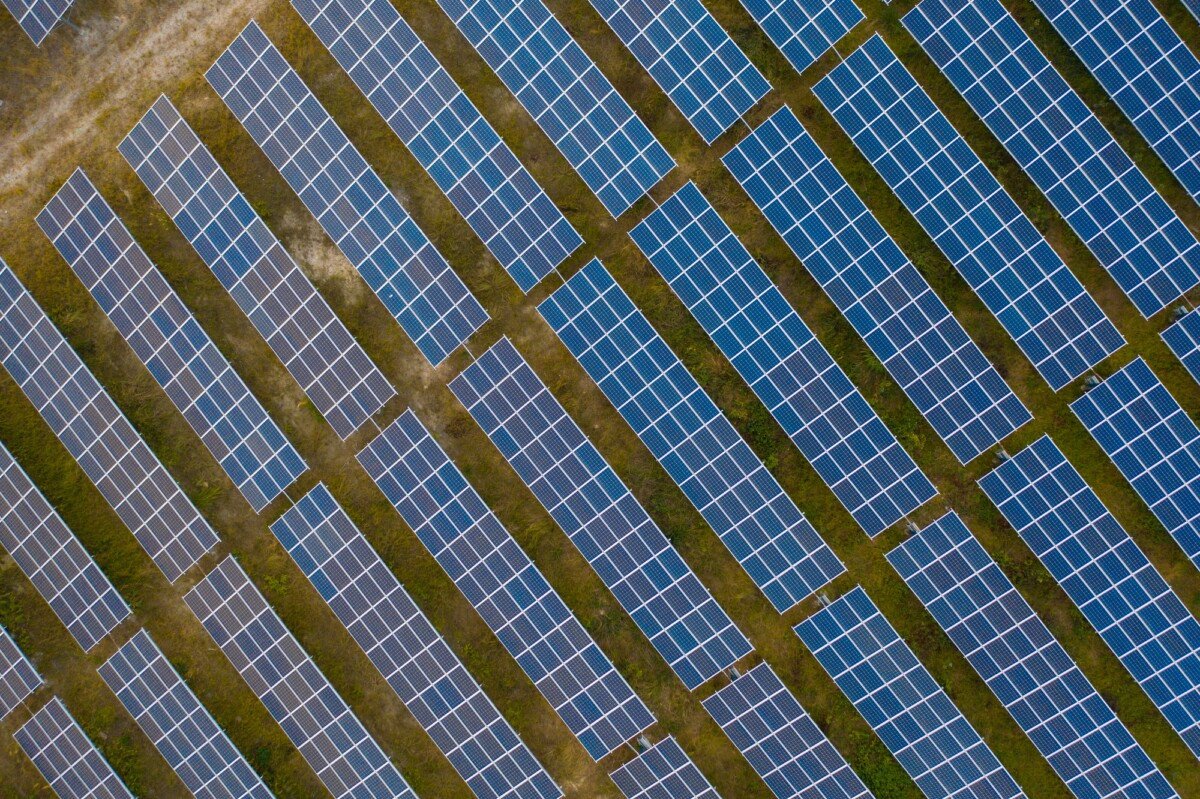
Do Solar Panels Use Heat? Discover the Truth
Do Solar Panels Use Heat? Solar panels convert sunlight, not heat, into electricity. They work efficiently in cooler climates, as excessive heat can reduce their efficiency.
By Kassav Contributor
Learn more about Solar Panel Installation and Repair for guides, costs, and what to expect.
Compare Solar Panel Installation and Repair Pros Near You

Enter your ZIP code to compare top-rated local professionals and request free quotes.
How Do Solar Panels Utilize Heat from the Sun?
Attention: Have you ever wondered, Do solar panels use heat from the sun to generate electricity? It’s a common misconception that solar panels rely on heat to function. Problem: Many people believe that solar panels require high temperatures to produce energy, leading to confusion about their efficiency in cooler climates. Promise: Let’s explore how solar panels actually work and clarify the role of heat in their energy production process.The Science Behind Solar Panels
Solar panels primarily utilize sunlight, not heat, to generate electricity. They are equipped with photovoltaic (PV) cells that convert sunlight directly into electricity through the photovoltaic effect. This process involves the absorption of photons, which then dislodge electrons, creating an electric current.Do Solar Panels Use Heat?
While solar panels don’t use heat to produce electricity, temperature can impact their efficiency. High temperatures can reduce the efficiency of PV cells, as excessive heat increases the resistance in the electrical circuit. Conversely, cooler temperatures can enhance performance, making solar panels effective even in less sunny regions.- Key Points:
- Solar panels convert sunlight, not heat, into electricity.
- High temperatures can decrease efficiency.
- Cooler climates can be advantageous for solar panel performance.
Benefits of Solar Panels in Various Climates
Solar panels are versatile and can be used in a variety of climates. They are designed to capture sunlight efficiently, even on cloudy days. This adaptability makes them a viable option for sustainable energy production worldwide, regardless of the local climate conditions.The Science Behind Solar Panels: Heat vs. Light
Have you ever wondered, Do solar panels use heat? It’s a common misconception that solar panels rely on heat to generate electricity. The truth is, they harness sunlight, not heat, to produce energy. This distinction is crucial for understanding how solar technology works and why it’s effective even in cooler climates. Understanding Photovoltaic Cells Solar panels are equipped with photovoltaic (PV) cells that convert sunlight directly into electricity. These cells are made of semiconductor materials, usually silicon, that absorb photons from sunlight. When these photons hit the PV cells, they knock electrons loose, creating an electric current. This process is purely dependent on light, not heat. Why Heat Isn’t Necessary- Efficiency in Cool Climates: Solar panels can be more efficient in cooler temperatures. Excessive heat can reduce the efficiency of PV cells, making cooler environments sometimes more ideal for solar energy production.
- Year-Round Energy Production: Because they rely on light, solar panels can generate electricity even on cloudy days, as long as there is daylight.

Thinking about solar energy? See how it can lower your bills and elevate your home’s efficiency. Get Your Free Estimate at NewSolar Quotes
Do Solar Panels Work in Cold Climates?
Attention: Have you ever wondered if solar panels can withstand the chill of winter? Problem: Many people assume that solar panels rely on heat to function, leading to doubts about their efficiency in cold climates. Promise: Let’s explore how solar panels actually work and why they might surprise you. Solar panels do not use heat to generate electricity; instead, they rely on sunlight. Photovoltaic (PV) cells within the panels convert sunlight into electricity, meaning they can function effectively even in cold weather. In fact, solar panels often perform better in cooler temperatures because excessive heat can reduce their efficiency.How Solar Panels Generate Electricity
- Photovoltaic Cells: These cells capture sunlight and convert it into direct current (DC) electricity.
- Inverter: The DC electricity is then converted into alternating current (AC), which powers homes and businesses.
Benefits of Solar Panels in Cold Climates
- Increased Efficiency: Cooler temperatures can improve the performance of solar panels.
- Durability: Built to endure extreme weather, solar panels are a reliable energy source year-round.
- Cost Savings: Despite the initial investment, solar panels can significantly reduce energy bills over time.
Maximizing Solar Efficiency: The Role of Heat
Harnessing the power of the sun is a brilliant way to generate clean energy, but you might wonder, Do solar panels use heat? While solar panels primarily rely on sunlight, heat plays a crucial role in their efficiency. Understanding this relationship can help you optimize your solar energy system. How Solar Panels Work Solar panels convert sunlight into electricity through photovoltaic cells. These cells absorb photons from sunlight, generating an electric current. However, heat itself is not directly used in this process. Instead, excessive heat can actually reduce the efficiency of solar panels, making it essential to manage temperature effectively. Impact of Heat on Solar Efficiency- Temperature Coefficient: Solar panels have a temperature coefficient that indicates how their efficiency changes with temperature. Higher temperatures can decrease output, so keeping panels cool is beneficial.
- Material Considerations: Some materials used in solar panels are more heat-resistant, which can help maintain efficiency in hot climates.
- Proper Installation: Ensure panels are installed with adequate airflow to dissipate heat.
- Use of Reflective Coatings: These can reduce heat absorption, maintaining optimal panel performance.
- Regular Maintenance: Cleaning panels can prevent dust buildup, which can trap heat and reduce efficiency.
Common Misconceptions About Solar Panels and Heat
Attention: Solar panels are often associated with heat, but do they actually use it? Problem: Many people mistakenly believe that solar panels require heat to function effectively, leading to confusion about their efficiency in different climates. Promise: Let’s clear up these misconceptions and understand how solar panels truly work. Do Solar Panels Use Heat? Solar panels do not use heat to generate electricity. Instead, they rely on sunlight. Photovoltaic (PV) cells within the panels convert sunlight directly into electricity through a process called the photovoltaic effect. This means that solar panels can function efficiently even in cooler climates, as long as there is adequate sunlight. How Solar Panels Work- Photovoltaic Effect: This is the process where solar cells convert sunlight into electricity. When sunlight hits the PV cells, it excites electrons, creating an electric current.
- Temperature Impact: While solar panels do not use heat, high temperatures can actually reduce their efficiency. Excessive heat can increase the resistance in the electrical circuits, leading to a decrease in power output.
- Cooler Climates: Solar panels can be more efficient in cooler temperatures because they are less prone to overheating.
- Sunny Days: Regardless of the temperature, sunny days provide the necessary sunlight for optimal solar panel performance.
How NewSolarQuotes Can Help You Harness Solar Energy Effectively
Are you curious about how solar panels work and whether they use heat? You’re not alone. Many people wonder, “Do solar panels use heat?” The answer is no; solar panels convert sunlight, not heat, into electricity. At NewSolarQuotes, we promise to guide you through understanding and utilizing solar energy efficiently. Harnessing solar energy effectively involves more than just installing panels. It’s about understanding how they work and optimizing their placement and usage. Do Solar Panels Use Heat? This common question highlights a misconception. Solar panels use photovoltaic cells to convert sunlight directly into electricity, not heat.Key Benefits of Solar Panels
- Environmentally Friendly: Reduce your carbon footprint.
- Cost Savings: Lower your electricity bills.
- Energy Independence: Decrease reliance on the grid.
How We Support Your Solar Journey
- Personalized Consultations: Tailored advice for your specific needs.
- Installation Guidance: Step-by-step support to ensure optimal setup.
- Maintenance Tips: Keep your system running smoothly.
Future Innovations: Will Solar Panels Use Heat Differently?
Solar panels have revolutionized how we harness energy, but do solar panels use heat? Traditionally, solar panels convert sunlight into electricity using photovoltaic cells, not heat. However, the future holds exciting possibilities for utilizing heat more effectively in solar technology. Understanding Current Solar Technology- Photovoltaic Cells: These cells convert sunlight directly into electricity without relying on heat. They are efficient in capturing light but not designed to utilize thermal energy.
- Thermal Solar Panels: Unlike photovoltaic panels, these use heat to generate energy, often for heating water or air.
- Hybrid Solar Panels: These panels aim to capture both light and heat, increasing overall efficiency.
- Thermo-photovoltaic Systems: This innovative approach uses heat to enhance the photovoltaic process, potentially boosting energy output.
Switch to solar and start saving now! Don’t miss out on a cleaner, cost-effective energy solution. Schedule Your Free Consultation at NewSolar QuotesDiscover more ways to save with solar! Visit New Solar Quote and see the potential for your home.
Learn more about Solar Panel Installation and Repair for guides, costs, and what to expect.
Compare Solar Panel Installation and Repair Pros Near You
Enter your ZIP code to compare top-rated local professionals and request free quotes.