
Solar Energy Solution: Cut Bills and Protect the Planet
Discover how a solar energy solution can slash your monthly bills and provide energy independence for decades.
By Kassav Contributor
Learn more about Solar Panel Installation and Repair for guides, costs, and what to expect.
Compare Solar Panel Installation and Repair Pros Near You
Enter your ZIP code to compare top-rated local professionals and request free quotes.
Every month, homeowners watch their electricity bills climb higher, wondering if there is a way to escape the cycle of rising rates. The answer lies in a reliable solar energy solution that turns sunlight into tangible savings. By generating your own power, you reduce dependence on the grid, lock in lower energy costs, and make a positive impact on the environment. Whether you are a first-time solar shopper or ready to upgrade an older system, understanding the full picture of a modern solar energy solution helps you make an informed decision that pays off for decades.
Understanding Solar Energy Solutions: What You Need to Know
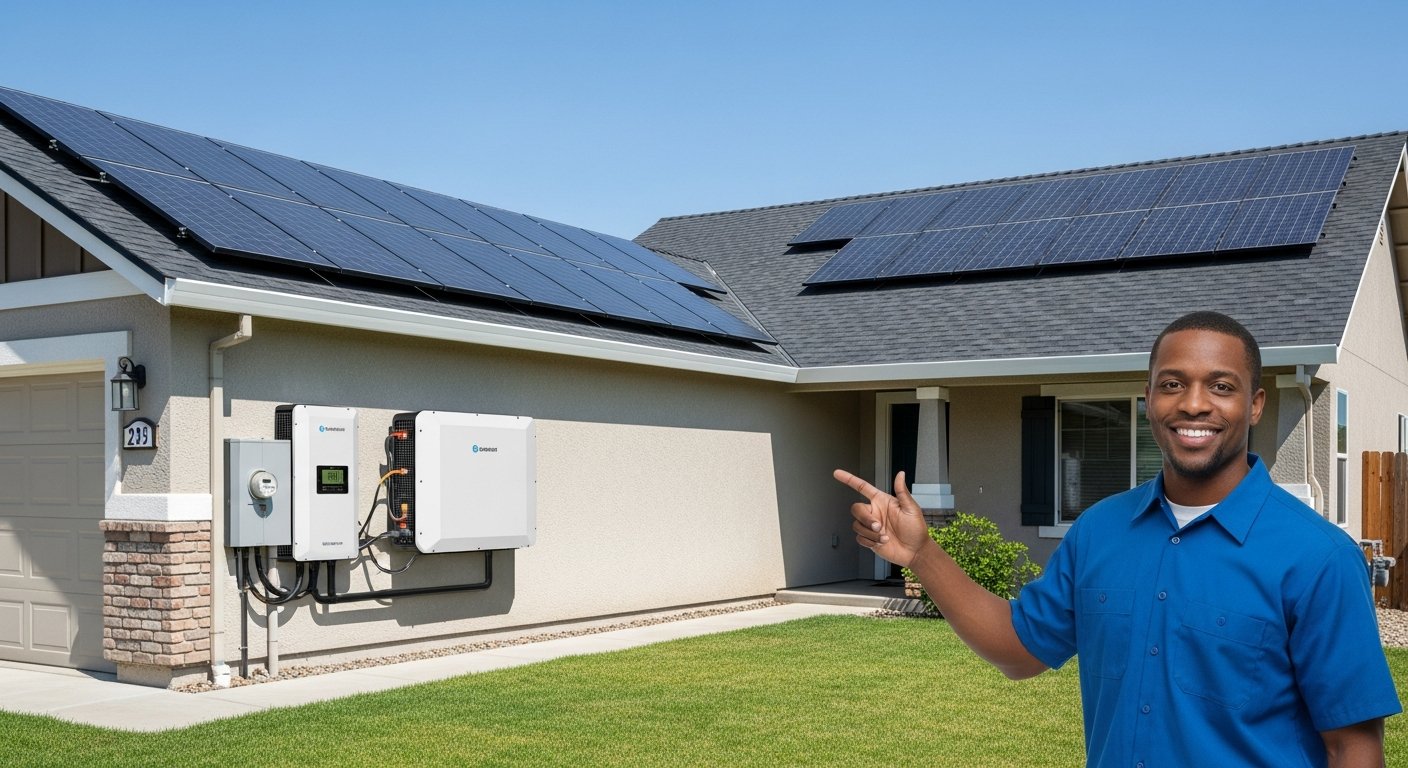
A solar energy solution is not a single product but a complete system designed to capture sunlight, convert it into usable electricity, and integrate with your home's electrical infrastructure. The core components include photovoltaic (PV) panels, an inverter (or microinverters), racking and mounting hardware, and often a monitoring system. Many homeowners now add battery storage to store excess energy for use at night or during outages. The size and complexity of your solar energy solution depend on your energy consumption, roof orientation, local climate, and budget.
Solar panels themselves have become more efficient and affordable over the past decade. Modern panels convert 20 to 23 percent of sunlight into electricity, with premium models reaching higher. The inverter changes the direct current (DC) produced by the panels into alternating current (AC) that your home appliances use. Battery storage, such as lithium-ion systems, allows you to store surplus energy rather than sending it back to the grid for a credit. Together, these components form a solar energy solution that can cover most or all of your household electricity needs.
How a Solar Energy Solution Works in Practice
When sunlight strikes the PV cells, electrons are knocked loose and create a flow of electricity. That DC power travels to the inverter, which converts it to AC power. The AC power then feeds into your home's main electrical panel, where it supplies lights, appliances, and electronics. If your system produces more electricity than you use at that moment, the excess either flows into the grid (under net metering) or charges your battery. At night or on cloudy days, you draw power from the grid or your stored battery. A well-designed solar energy solution can reduce your annual utility bill by 70 to 100 percent, depending on system size and local net metering policies.
Key Benefits of a Solar Energy Solution for Homeowners
Choosing a solar energy solution brings multiple advantages that extend well beyond lower monthly bills. Homeowners who invest in solar often see a significant increase in property value. Studies have shown that homes with solar panels sell for a premium compared to similar non-solar homes. Additionally, solar provides energy independence, insulating you from future rate hikes and grid instability. From an environmental standpoint, switching to solar reduces your carbon footprint by displacing fossil fuel electricity generation.
Financial incentives further sweeten the deal. The federal Investment Tax Credit (ITC) allows you to deduct 30 percent of the cost of your solar energy solution from your federal taxes. Many states and utilities offer additional rebates, performance payments, or property tax exemptions. Over the life of a system (typically 25 to 30 years), the cumulative savings can exceed the initial investment by tens of thousands of dollars. Here are the primary benefits at a glance:
- Reduced monthly electricity bills, often by 50 percent or more
- Increased home resale value with faster sale times
- Protection against rising utility rates over the long term
- Lower carbon emissions and measurable environmental impact
- Eligibility for federal and state tax credits and rebates
Each benefit ties directly to your decision to adopt a solar energy solution. The combination of financial return and environmental responsibility makes solar one of the most compelling home improvements available today.
How to Choose the Right Solar Energy Solution for Your Home
Selecting the best solar energy solution requires careful evaluation of your home's unique characteristics and your energy goals. The process can be broken down into clear steps that simplify the decision and ensure you get the most value from your investment. Following a structured approach helps you avoid common pitfalls and choose equipment and installers that match your needs.
- Audit your energy usage. Gather twelve months of electricity bills to understand your average monthly consumption in kilowatt-hours (kWh). This data determines the system size needed to offset your usage.
- Assess your roof. Check the age, condition, orientation, shading, and pitch of your roof. South-facing roofs with little shading produce the most energy, but east and west orientations can still work well.
- Research local incentives and net metering. Contact your utility and state energy office to learn the exact rebates, tax credits, and net metering rules in your area. These factors directly affect your payback period.
- Compare quotes from multiple certified installers. Use a trusted platform like NewSolarQuotes to receive competitive, no-obligation quotes from pre-screened professionals. Look at equipment brands, warranties, and financing options.
- Review financing choices. Decide whether to purchase the system outright, take out a solar loan, enter a lease, or sign a power purchase agreement (PPA). Each option has different long-term economics and ownership implications.
After completing these steps, you will have a clear picture of the ideal solar energy solution for your home. The next stage is selecting a reputable installer who can design and install the system professionally. Remember that the lowest price does not always mean the best value; consider the quality of components, installation warranties, and the installer's track record.
Financing Your Solar Energy Solution: Options and Incentives
The upfront cost of a solar energy solution can feel daunting, but a range of financing options makes it accessible to most homeowners. Cash purchase offers the highest long-term savings because you avoid interest payments and own the system outright. However, solar loans have become popular with competitive interest rates and terms of 10 to 20 years. Many lenders offer zero-down loans, allowing you to start saving from day one without a large initial payment.
Leases and PPAs require no money down and provide immediate bill reductions, but you do not own the system. The installer or a third party owns the panels, and you pay a fixed monthly rate for the electricity produced. While this option has lower upfront savings, it can be appealing if you plan to move within a few years or do not qualify for tax credits. The federal ITC applies only to purchased systems, so leasing does not capture that benefit. Additionally, many states offer property tax exemptions for solar additions, meaning your home's assessed value does not increase due to the panels, saving you from higher property taxes.
When evaluating financing, always calculate the total cost over the system's life, including interest, escalators (for leases and PPAs), and potential maintenance. A well-structured solar energy solution financed correctly can deliver positive cash flow from year one, especially in states with high electricity rates and strong incentives.
The Role of Professional Installation in Your Solar Energy Solution
Even the best solar panels will underperform if installed incorrectly. Professional installation ensures your solar energy solution is safe, efficient, and compliant with local building codes and utility requirements. Certified installers handle roof assessments, electrical wiring, permit applications, and utility interconnection paperwork. They also provide workmanship warranties that protect you from installation defects for a set number of years.
NewSolarQuotes simplifies the process of finding vetted professionals. By submitting a brief form about your home and energy needs, you receive multiple quotes from local, certified installers who compete for your business. This approach saves time and helps you compare pricing, equipment, and warranties side by side. After installation, monitoring systems let you track your system's performance in real time. If something goes wrong, your installer's service team can often diagnose and fix issues remotely or schedule a service visit quickly.
Without expert installation, you risk reduced energy production, voided equipment warranties, and even safety hazards like fire or electrical shock. Never attempt a DIY solar installation unless you have extensive electrical and roofing experience. The peace of mind that comes with a professionally installed solar energy solution is well worth the investment.
Solar energy solutions represent one of the most effective ways to gain control over your energy future. By reducing monthly bills, increasing home value, and contributing to a cleaner planet, solar power delivers benefits that compound over time. Whether you are motivated by savings, independence, or sustainability, the right solar energy solution exists for your home. Start your journey today by getting free quotes from trusted installers and see how much you can save.
Learn more about Solar Panel Installation and Repair for guides, costs, and what to expect.
Compare Solar Panel Installation and Repair Pros Near You
Enter your ZIP code to compare top-rated local professionals and request free quotes.