Solar Installation 2026: Costs, Savings, and Process
Learn the solar installation process, costs, and savings. Find out how to choose the right installer and finance your system for maximum benefit.

By Alex Carter
Learn more about Solar Panel Installation and Repair for guides, costs, and what to expect.
Compare Solar Panel Installation and Repair Pros Near You
Enter your ZIP code to compare top-rated local professionals and request free quotes.
When you decide to go solar, the process can feel both exciting and overwhelming. You know that solar installation can lower your monthly electricity bills, increase your property value, and reduce your carbon footprint. Yet the path from decision to energized roof involves several critical steps, from choosing the right equipment to finding a certified installer. This guide walks you through the entire journey, with a focus on what you need to know before you sign any contract.
Understanding the Solar Installation Process
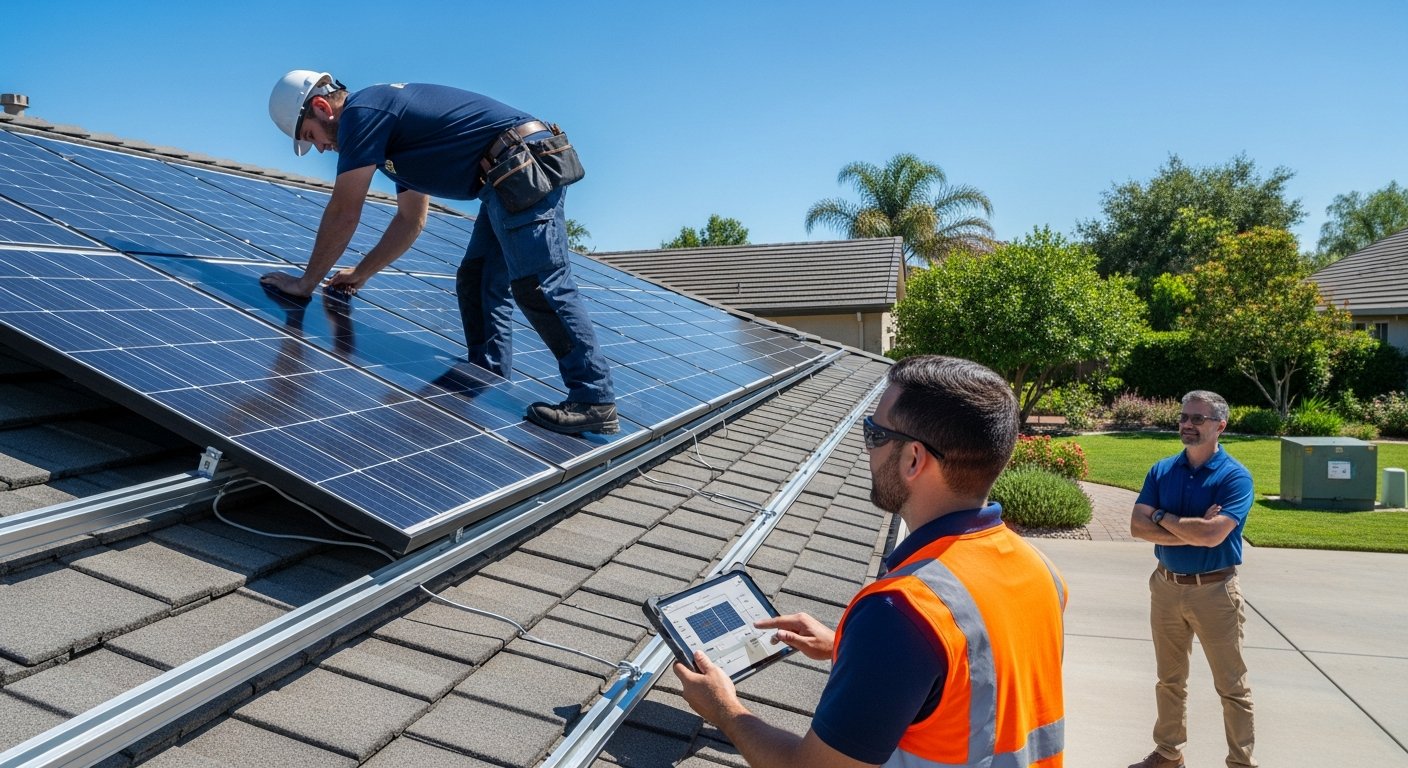
A typical residential solar installation takes one to three days once the physical work begins. However, the overall timeline from initial consultation to grid connection often spans several weeks or even a few months. This extended period covers site assessment, system design, permitting, and utility approvals, all of which are essential for a safe and compliant setup.
Here is a high-level overview of the steps you will experience:
- Site Assessment: A professional evaluates your roof's condition, orientation, shading, and structural integrity to determine the optimal system size and panel placement.
- System Design and Quote: Based on the assessment, you receive a customized proposal detailing equipment, estimated production, and total cost.
- Permitting and Paperwork: Your installer handles the necessary permits, interconnection agreements, and incentive applications. This step can take anywhere from a few days to several weeks, depending on your local jurisdiction.
- Installation Day: The crew mounts the racking, attaches the panels, runs electrical wiring, and installs the inverter and, if included, the battery system.
- Inspection and Activation: A local inspector verifies the system meets code, and your utility grants permission to operate (PTO), after which you can start generating solar power.
Each phase is straightforward when you work with an experienced installer, but the administrative parts can be the most time-consuming. A reputable company will manage these details for you, keeping the project on track and minimizing delays.
Key Components of a Solar System
Understanding the main parts of a solar system helps you make informed decisions and communicate effectively with your installer. The three primary components are solar panels, an inverter, and racking. Many homeowners now also add battery storage to maximize self-consumption and provide backup power.
Solar Panels: These are the most visible part of your system. They contain photovoltaic cells that convert sunlight into direct current (DC) electricity. Panels come in different types, including monocrystalline and polycrystalline, with monocrystalline being the most efficient and popular choice for residential roofs.
Inverter: This device converts the DC electricity produced by your panels into alternating current (AC), which your home appliances use. There are three common types: string inverters, microinverters, and power optimizers. Each has its pros and cons, and your installer will recommend the best option based on your roof layout and shading conditions.
Racking and Mounting: This is the hardware that secures the panels to your roof. Quality racking is essential for durability and weather resistance. Your installer will ensure the mounting system is compatible with your roof type, whether it is asphalt shingle, tile, or metal.
Battery Storage (Optional): Adding a battery allows you to store excess solar energy for use at night or during a grid outage. While this increases the upfront cost, it can significantly enhance your energy independence and provide peace of mind. The most popular residential batteries are lithium-ion, such as the Tesla Powerwall or the LG Chem RESU.
Solar Installation Costs and Financing Options
The cost of a solar installation varies widely based on system size, equipment quality, labor, and your location. According to the Solar Energy Industries Association (SEIA), the average residential system cost before incentives is around $2.80 per watt. For a typical 6 kW system, that translates to roughly $16,800. However, after the federal solar tax credit (30 percent in 2026), the net cost drops to about $11,760, making solar far more accessible than it was a decade ago.
Financing is a crucial part of the decision. You have several options, each with its own benefits and trade-offs:
- Cash Purchase: Paying upfront gives you the highest long-term savings, as you avoid interest charges and own the system outright. This is the best option if you have the funds available.
- Solar Loan: A dedicated solar loan allows you to spread the cost over several years while still owning the system. Interest rates vary, but many loans offer low fixed rates, and you can often start saving on your electricity bill immediately.
- Solar Lease: With a lease, you pay a monthly fee to use the panels, but you do not own them. The installer or a third party retains ownership and is responsible for maintenance. This option requires no upfront cost but typically yields lower long-term savings.
- Power Purchase Agreement (PPA): Similar to a lease, a PPA involves paying for the electricity generated by the panels at a set rate, which is often lower than your utility's rate. Again, you do not own the system.
When evaluating financing, consider the total cost of ownership over 20 or 25 years. A cash or loan purchase usually provides the best return on investment, while leases and PPAs offer convenience and zero upfront cost but lock you into a long-term contract. Be sure to read the fine print and understand any annual escalator clauses that may increase your monthly payments.
Choosing a Certified Solar Installer
Selecting the right installer is just as important as choosing the right panels. A poorly installed system can lead to leaks, electrical issues, and reduced performance. On the other hand, a top-tier installer ensures your system operates at peak efficiency and lasts for decades.
Here are key criteria to evaluate when comparing quotes:
- Certifications and Licensing: Look for installers who are NABCEP certified (North American Board of Certified Energy Practitioners) and hold the necessary state and local licenses.
- Experience and Track Record: Ask how many installations they have completed in your area, and request references or case studies.
- Warranties: A solid warranty covers the panels (typically 25 years), the inverter (10 to 15 years), and workmanship (often 10 years). Ensure you understand what is covered and for how long.
- Insurance: Verify that the company carries both general liability and workers' compensation insurance to protect you and their crew.
- Reputation: Check online reviews on platforms like Google, Yelp, and the Better Business Bureau. Pay attention to how the company handles customer service and post-installation issues.
One of the most reliable ways to find vetted installers is to use a quote service like NewSolarQuotes. They connect you with pre-screened, certified professionals in your region, saving you the time and effort of researching on your own. By submitting your information, you receive multiple quotes that you can compare side by side, ensuring you get the best value for your specific needs.
Solar Installation Challenges and How to Overcome Them
While solar installation is a well-established process, you may encounter some challenges along the way. Being aware of these potential hurdles helps you prepare and respond effectively.
Roof Condition: If your roof is old or damaged, you will need to repair or replace it before installation. Plan for this additional expense and timeline. A thorough site assessment should identify any issues early.
Shading: Trees, chimneys, or neighboring buildings can cast shadows that reduce your system's output. Your installer can use optimization tools like microinverters or power optimizers to mitigate the impact, but you may also need to trim trees.
HOA and Neighborhood Regulations: Some homeowners associations have strict rules about solar panel placement and appearance. Check your HOA guidelines and obtain approval before installation to avoid fines or forced removal.
Utility Interconnection Delays: Some utilities take longer to process interconnection applications, which can push back your activation date. Work with your installer to submit all paperwork promptly and follow up as needed.
Maintenance and Long-Term Performance
Once your solar system is operational, it requires minimal maintenance. Solar panels have no moving parts, and with a proper angle, rain will wash away most dust and debris. However, in dry or dusty climates, you may need to periodically clean the panels with water and a soft brush to maintain optimal performance.
Most manufacturers guarantee that panels will produce at least 80 percent of their rated capacity after 25 years. Inverters, however, may need replacement after 10 to 15 years, so budget for that future expense. Your installer should provide monitoring software so you can track your system's output and detect any issues early.
Regularly checking your system's performance, cleaning the panels when needed, and scheduling an annual inspection with a qualified technician will ensure your investment continues to pay off for decades.
Solar Installation Incentives and Rebates
The financial benefits of solar go beyond the federal tax credit. Many states, cities, and utilities offer additional incentives that can significantly reduce your upfront costs. These include:
- State Tax Credits: Some states, such as New York and Massachusetts, offer their own tax credits in addition to the federal one.
- Cash Rebates: Utility companies often provide rebates for installing a solar system, sometimes based on the system's size or expected production.
- Net Metering: This policy allows you to sell excess electricity back to the grid at the retail rate, effectively spinning your meter backward. Net metering is available in most states, but the terms vary.
- Solar Renewable Energy Certificates (SRECs): In some markets, you can earn certificates for each megawatt-hour your system produces, which you can sell to utilities to meet their renewable standards.
To find the incentives available in your area, check the Database of State Incentives for Renewables and Efficiency (DSIRE) or consult your installer. NewSolarQuotes also provides state-specific guides that detail the savings you can expect, helping you calculate your true net cost.
Final Thoughts on Your Solar Journey
Investing in solar installation is a significant decision that offers financial, environmental, and personal rewards. By understanding the process, evaluating your options, and choosing a reputable installer, you can navigate the complexities with confidence. The key is to do your homework, ask the right questions, and leverage the tools available to you.
If you are ready to take the next step, start by gathering multiple quotes from certified installers. NewSolarQuotes makes this easy by connecting you with top-rated professionals in your region. With the right system and a trusted partner, you can enjoy lower electricity bills, increased property value, and the peace of mind that comes from generating clean, renewable energy. Your future self will thank you.