
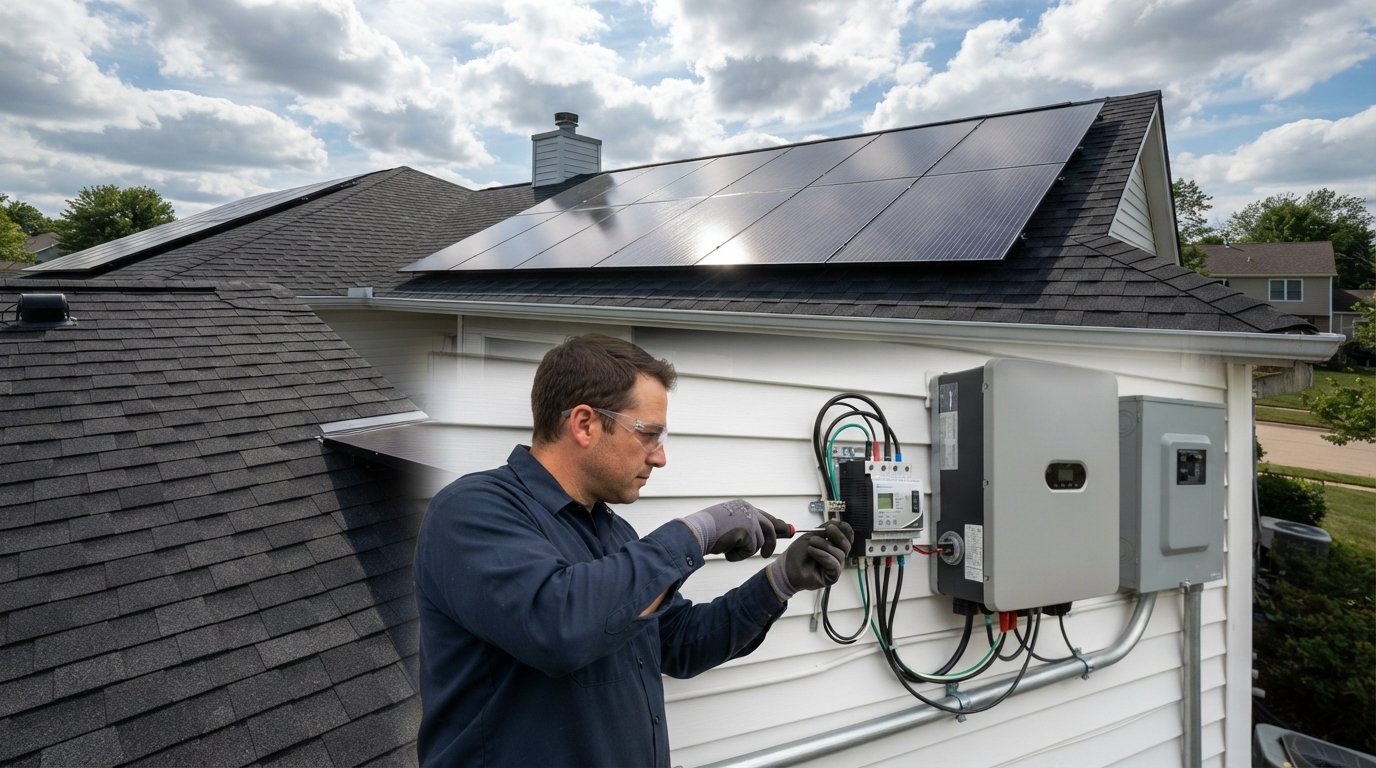
Solar Surge Protection Devices for Homes in 2026
Shield your solar investment from costly surges with the right protection devices. Learn how to choose and install them effectively.

By Andy Pearson
Learn more about Solar Panel Installation and Repair for guides, costs, and what to expect.
Compare Solar Panel Installation and Repair Pros Near You

Enter your ZIP code to compare top-rated local professionals and request free quotes.
When you invest in a solar panel system, you are making a long-term commitment to clean energy and lower electricity bills. However, many homeowners overlook a critical component that can protect this investment: surge protection devices. A single lightning strike or a power grid fluctuation can send a dangerous voltage spike through your solar array, potentially damaging panels, inverters, and your home's electrical system. In this article, we explore why solar panel surge protection devices for homes are essential, how they work, and how to choose and install the right protection for your setup.
Why Solar Panels Are Vulnerable to Power Surges
Solar panels are exposed to the elements by design. Mounted on rooftops or ground racks, they are often the highest point on a property, which makes them susceptible to lightning strikes. Even if a lightning bolt does not hit your panels directly, a nearby strike can induce a powerful surge in the wiring that connects your solar system to your home. Additionally, utility grid switching, downed power lines, or even your own large appliances can create transient overvoltages that travel into your solar inverter and other sensitive electronics.
The inverter is the heart of your solar system, converting direct current (DC) from the panels into alternating current (AC) for your home. This device contains sensitive semiconductor components that can be destroyed by even a brief voltage spike. Replacing a solar inverter can cost thousands of dollars, and downtime means lost energy production. By installing surge protection devices, you create a defense line that diverts excess voltage safely to the ground, shielding your equipment from damage.
It is also important to consider that solar panels themselves have a long lifespan, often 25 years or more. Over that period, your system will face countless weather events and grid disturbances. Without proper surge protection, a single surge event could render your entire system inoperable, leaving you with a costly repair bill and no power generation. This is why proactive protection is a wise investment for any solar homeowner.
Understanding Surge Protection Devices (SPDs)
A surge protection device is a small but mighty component that monitors the voltage in your electrical circuits. Under normal conditions, it does nothing, allowing electricity to flow freely. When a voltage spike occurs, the SPD activates within nanoseconds, creating a low-resistance path to ground and clamping the overvoltage to a safe level. Once the surge passes, the device resets and is ready for the next event.
There are different types of SPDs, each designed for specific locations and voltage levels. For home solar systems, you typically need two main types: Type 1 and Type 2. Type 1 devices are installed at the main service entrance and can handle direct lightning strikes. Type 2 devices are installed at subpanels or near sensitive equipment, like your inverter, and provide secondary protection against smaller surges. Many solar installations use both types for comprehensive coverage. Some advanced SPDs also come with thermal disconnectors and visual indicators, which alert you when the protection element has degraded and needs replacement.
AC vs. DC Surge Protection
Solar systems have two distinct electrical sides: the DC side between the panels and the inverter, and the AC side between the inverter and your home's electrical panel. Surges can occur on either side, so you need protection for both. DC surge protection devices are installed on the DC combiner box or near the inverter, guarding the panels and their wiring. AC surge protection devices are installed on the load side of the inverter, protecting your home's electrical system. A complete protection plan includes both AC and DC SPDs to ensure no vulnerable component is left exposed.
How to Choose the Right Surge Protection for Your Solar System
Selecting the correct surge protection devices for your home solar system requires consideration of several factors. First, you need to know your system's voltage and configuration. For a typical residential system, a 600V DC SPD for the panel side and a 240V AC SPD for the inverter output are common. However, consult your solar inverter manual and your local electrical code to determine the exact requirements. You should also consider the surge current rating, measured in kiloamperes (kA). A higher rating means the device can handle larger surges. For areas prone to lightning, choose an SPD with a higher surge current capacity, such as 40kA or more.
Another key factor is the type of SPD based on its location in the system. Type 1 SPDs are installed at the main service panel and are essential if you have a direct lightning risk. Type 2 SPDs are installed near the inverter or subpanel and are recommended for all systems. For maximum protection, you can also add Type 3 SPDs at the point of use, such as for sensitive electronics like your inverter's monitoring system. Many manufacturers offer combination units that provide both Type 1 and Type 2 protection in a single device, simplifying installation.
Here are the key criteria to evaluate when choosing an SPD:
- Voltage rating: Must match your system's DC and AC voltages.
- Surge current rating (kA): Higher ratings offer better protection against large surges.
- Type (1, 2, or 3): Determines installation location and function.
- Certifications: Look for UL 1449 or IEC 61643 compliance for safety and performance.
- Status indicator: Helps you know when the unit needs replacement.
Once you have selected the right devices, professional installation is highly recommended. A licensed electrician or solar installer can ensure that the SPDs are correctly wired and grounded, which is critical for their operation. They can also help you comply with the National Electrical Code (NEC), which now requires surge protection for many solar installations. If you are comparing quotes for a new solar system, ask each installer about their surge protection strategy. For more guidance on comparing solar offers, you can check our detailed article on benefits of 200w flexible solar panels for insights into equipment quality.
Installation and Maintenance Best Practices
Installing surge protection devices is not a one-time task; it requires occasional inspection and maintenance to ensure ongoing effectiveness. Most SPDs have a visual indicator, usually a small window or LED, that changes color when the protection element is no longer functional. You should check this indicator at least once a year, and always after a major storm or power outage. If the indicator shows a fault, replace the SPD promptly to maintain your protection.
The installation location is also important. For DC SPDs, they should be placed as close to the solar panels as possible, ideally in the combiner box or at the inverter's DC input. For AC SPDs, they should be installed near the inverter's AC output or at the main service panel. The SPDs must be connected to a solid ground, and all wiring should follow manufacturer specifications and local codes. It is also wise to ensure your entire solar system has a proper grounding electrode system, as surge protection relies on a low-impedance path to ground to function correctly.
Do not forget about the rest of your home. A whole-house surge protector installed at your main electrical panel can protect your appliances, electronics, and your solar system's components from surges that originate from the utility grid. This is an additional layer of security that complements your solar-specific SPDs. For a comprehensive approach, consider using a combination of whole-house and solar-specific devices.
Costs and Financial Benefits of Surge Protection
The cost of solar surge protection devices is relatively low, especially when compared to the potential cost of repairing or replacing solar equipment. A single Type 2 SPD for a residential system typically costs between $50 and $150. High-quality Type 1 devices may range from $150 to $300 or more. If you hire an electrician for installation, labor costs might add another $200 to $400, depending on your location and system complexity. In total, you might spend $300 to $700 for comprehensive surge protection, a small price when you consider that a solar inverter replacement can cost $1,500 to $3,000 or more.
Beyond the direct cost savings, surge protection also preserves your solar system's performance and lifespan. A damaged inverter or panel can reduce energy production, leading to higher electricity bills and delayed payback on your investment. By preventing surge damage, you ensure that your system operates at peak efficiency for its entire 25-year design life. Additionally, some home insurance policies may offer discounts for surge protection installations, as they reduce the risk of damage to your electrical system. Check with your insurance provider to see if you qualify for such savings.
When you request quotes from solar installers, ask whether surge protection is included in the package or offered as an add-on. Many reputable installers now include basic AC and DC SPDs as standard equipment, recognizing their importance. However, some may offer more advanced units or additional protection at an extra cost. Always review the specifications of what is included to ensure you are getting adequate protection. If you are in the process of getting quotes, you can use a service like FreeSolarPowerQuotes to compare offers from certified professionals, and be sure to mention your interest in surge protection.
Common Misconceptions About Surge Protection
There are several myths about surge protection that can lead homeowners to skip this essential safeguard. One common misconception is that a whole-house surge protector is enough to protect your solar system. While a whole-house unit is beneficial, it does not protect the DC side of your solar array. Surges can enter your system directly from the panels or through the inverter, bypassing the main panel. Therefore, you need dedicated SPDs on both the DC and AC sides of your solar system.
Another myth is that surge protection devices last forever. In reality, each surge event gradually degrades the internal components of an SPD. Over time, the device may lose its ability to clamp voltage effectively. That is why status indicators and regular inspections are critical. If you experience frequent surges, you may need to replace your SPDs more often than the recommended 5 to 10 year interval.
Some homeowners also believe that surge protection is unnecessary if they live in an area with low lightning activity. However, surges can originate from many sources, including grid switching and internal appliance usage. Even if lightning is rare, the risk of other surges remains. Additionally, solar systems are often connected to the grid, meaning you are exposed to surges from the utility network. As such, surge protection is a prudent investment for every solar homeowner, regardless of geographic location.
Protecting Your Investment with a Holistic Approach
Surge protection devices are just one part of a comprehensive solar system protection strategy. You should also consider proper grounding, regular maintenance, and monitoring your system's performance. Many modern inverters have built-in monitoring that alerts you to abnormalities, which can help you detect surge damage early. Additionally, if you have a solar battery storage system, ensure that it is also protected with appropriate SPDs, as batteries are sensitive to overvoltages and can be expensive to replace.
Before any severe weather event, such as a thunderstorm or hurricane, you might want to disconnect your solar system from the grid if it is safe to do so. However, this is not always practical, and surge protection is designed to handle these events automatically. With proper SPDs in place, you can have peace of mind knowing that your system is protected even when you are not home.
In summary, solar panel surge protection devices for homes are a small yet vital investment that can save you from significant financial loss and system downtime. By understanding your system's needs, selecting the right SPDs, and ensuring professional installation, you can enjoy the benefits of solar energy without worrying about unexpected surges. Always consult with a certified solar installer to design a protection plan that fits your specific setup and local conditions.
As you plan your solar journey, remember that the cheapest quote is not always the best. Look for an installer who prioritizes quality and safety, including proper surge protection. A well-protected solar system will serve you reliably for decades, delivering clean energy and peace of mind. Take the time to research and invest in the right surge protection, and your future self will thank you.